A
Coach dashboard
ReactSupabasePostgres
Live client metrics and a performance overview the coach lands on: who trained, who slipped, and what needs a message today.
A complete AI-powered coaching platform for fitness professionals — built from an empty repository to a live Android release in six months, by one developer.
iOS is on the roadmap, planned for release before the end of 2026. It is not shipped yet.
One codebase serving coach, client, and superadmin — each with its own permissions.
Live client metrics and a performance overview the coach lands on: who trained, who slipped, and what needs a message today.
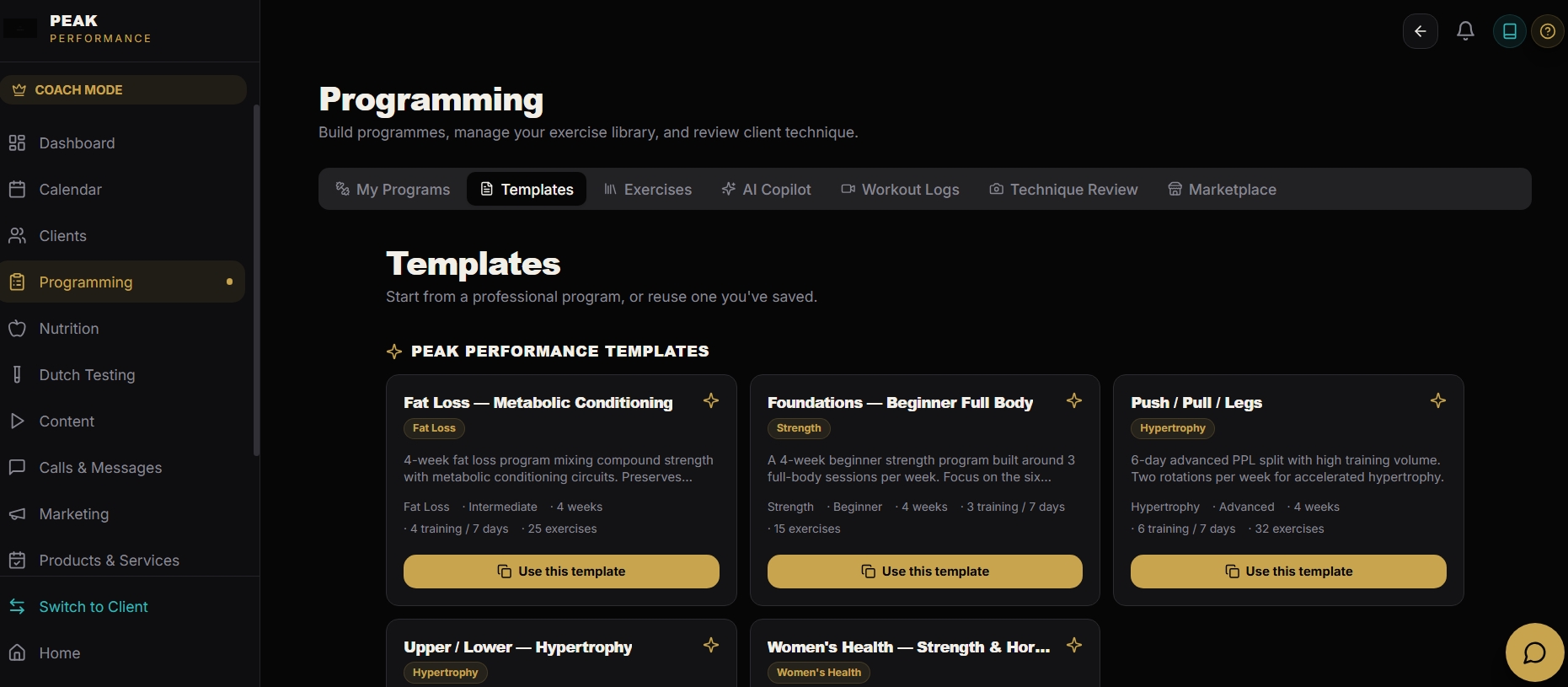
Full workout programming — exercise library, templates, weekly splits, and assignment down to the individual client.
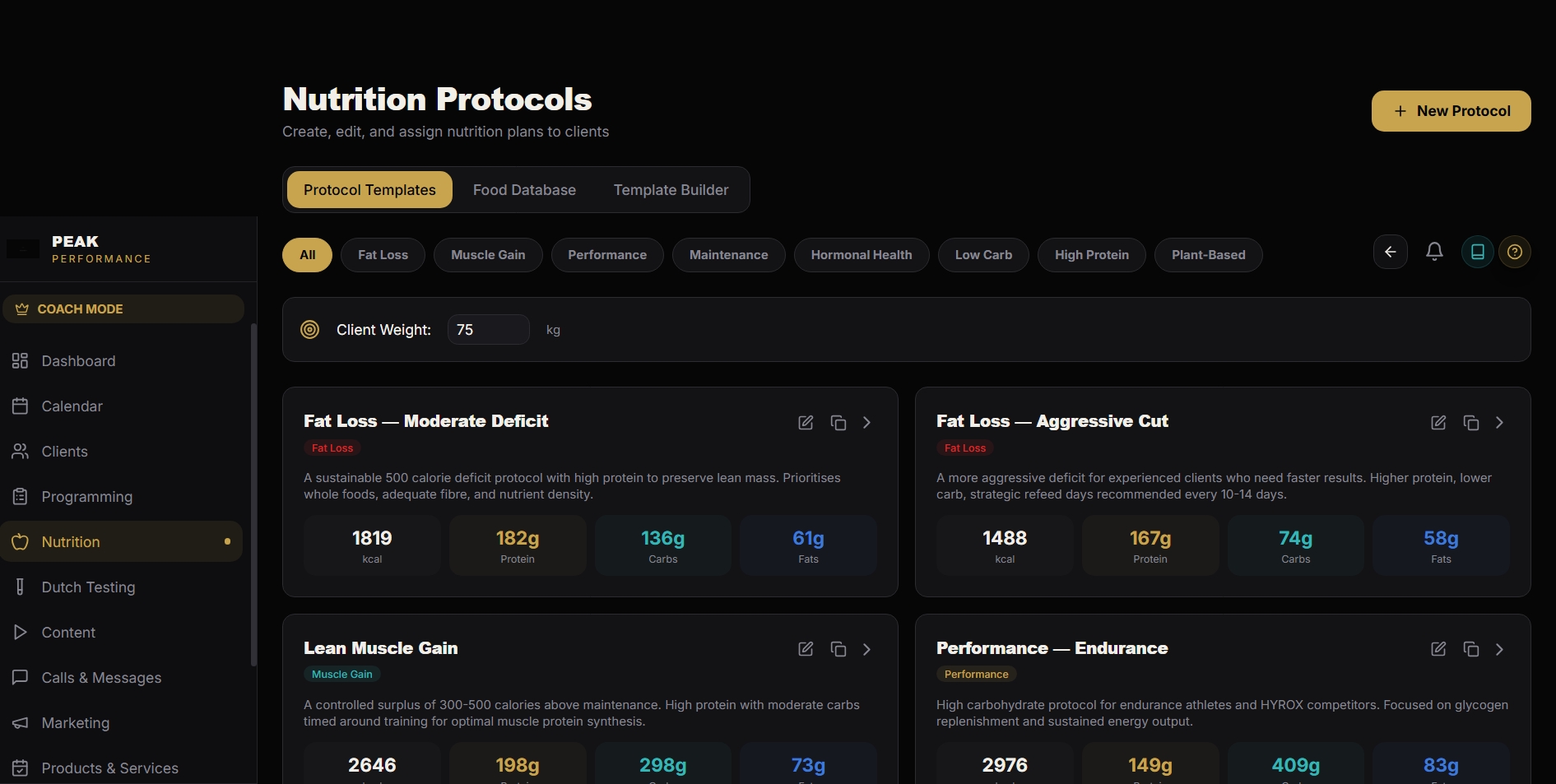
Macro targets and meal planning built off a food database, with protocols that can be templated and reassigned rather than rebuilt per client.
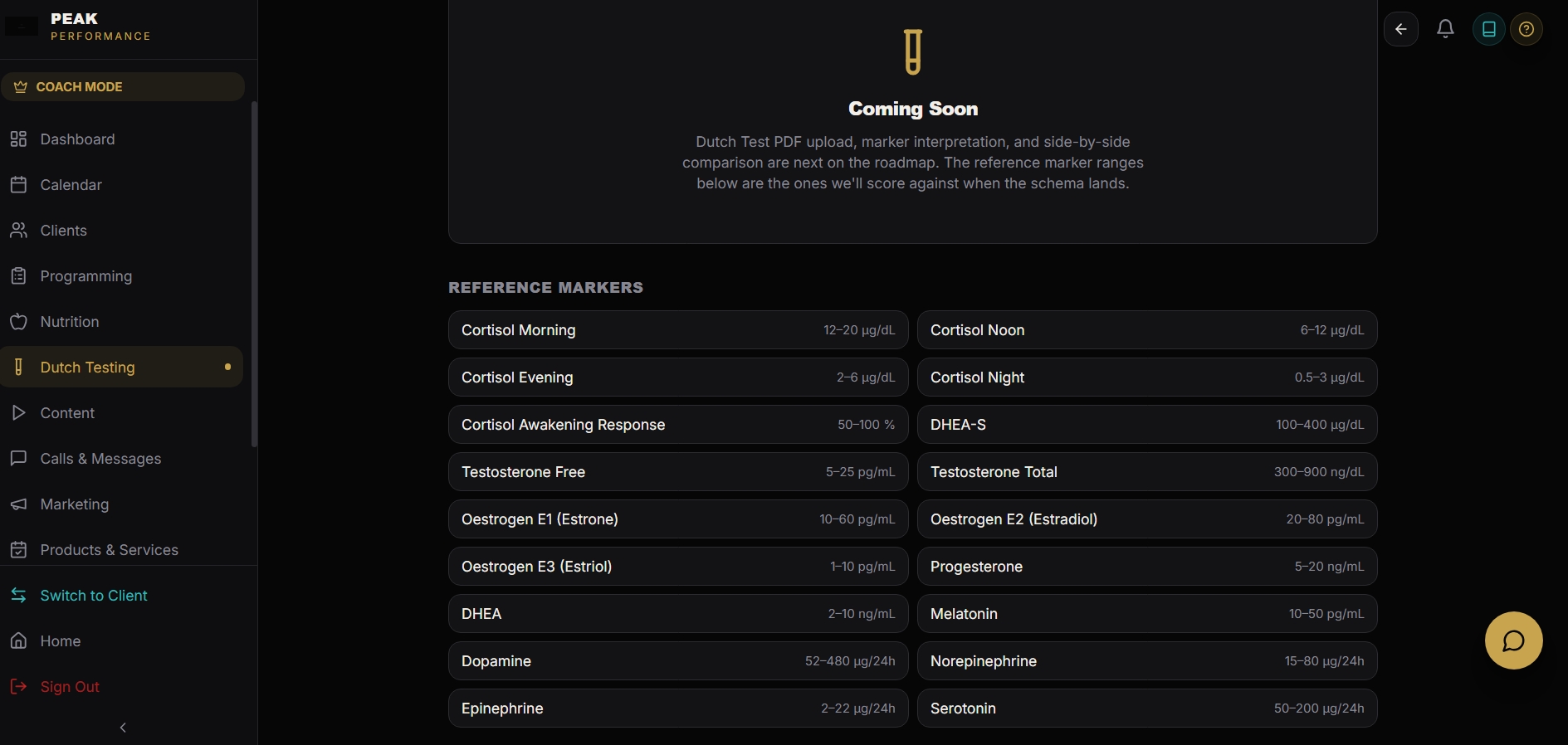
Biomarker tracking with reference ranges and result interpretation, kept in the same client record as training and nutrition.
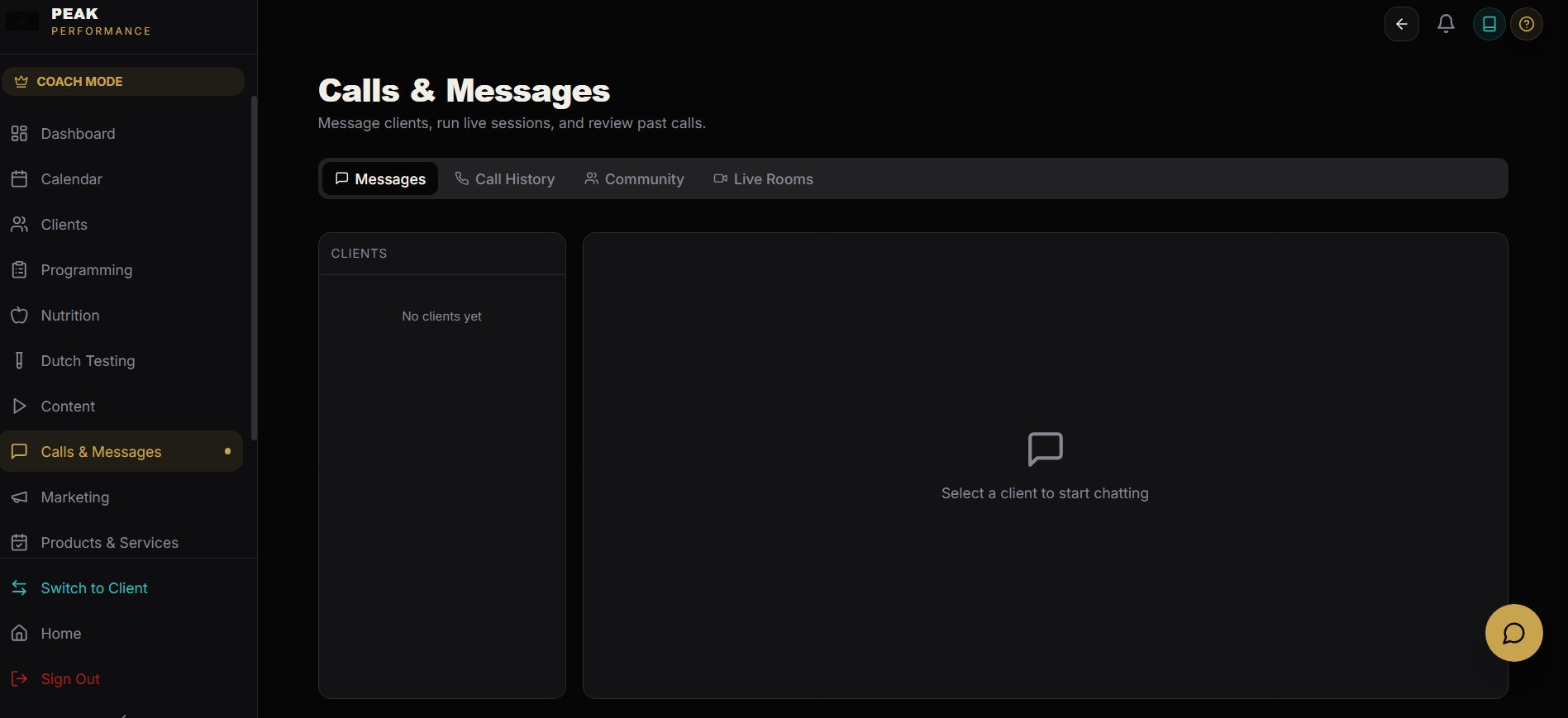
Coach-to-client messaging with call history alongside it, so the relationship doesn't live in WhatsApp where nothing is auditable.
Branded content, templates, automations, and referrals — the growth side of a coaching business built into the product the coach already logs into.
Not a feature list — the engineering problems that had to be solved before any of it could go live.
Money moves between the platform and each coach, so the build needed connected accounts, onboarding state, split payouts, and refunds. The harder half was webhook coverage: renewals, failed charges, and the dunning path all had to reconcile against the database rather than trusting the client.
Every coach and every client shares the same tables. Isolation is enforced in Postgres policies, not in the interface — a query issued with the wrong session simply returns nothing, which is the only version of this that holds up.
Enrolment, verification, recovery, and the session rules around them. Health and payment data in one product raises the bar on what an account takeover costs.
Real health-data permissions with scoped access, an explicit consent surface, and the disclosure and review requirements Google applies to health data before a release is allowed through. This was the slowest integration on the project and none of that time was code.
Coaches upload qualifications, which land in a superadmin review queue with approve and reject states. Verification status gates what a coach can do, so the permission model and the review workflow had to agree.
Codes issued, clicks attributed, and credit resolved at the point of payment — with the attribution written to the database so it survives a reinstall and a change of device.
Capacitor build, keystore signing, versioning, and Play Console submission — data safety declarations, permissions justification, and review cycles handled end to end rather than left as someone else's problem.
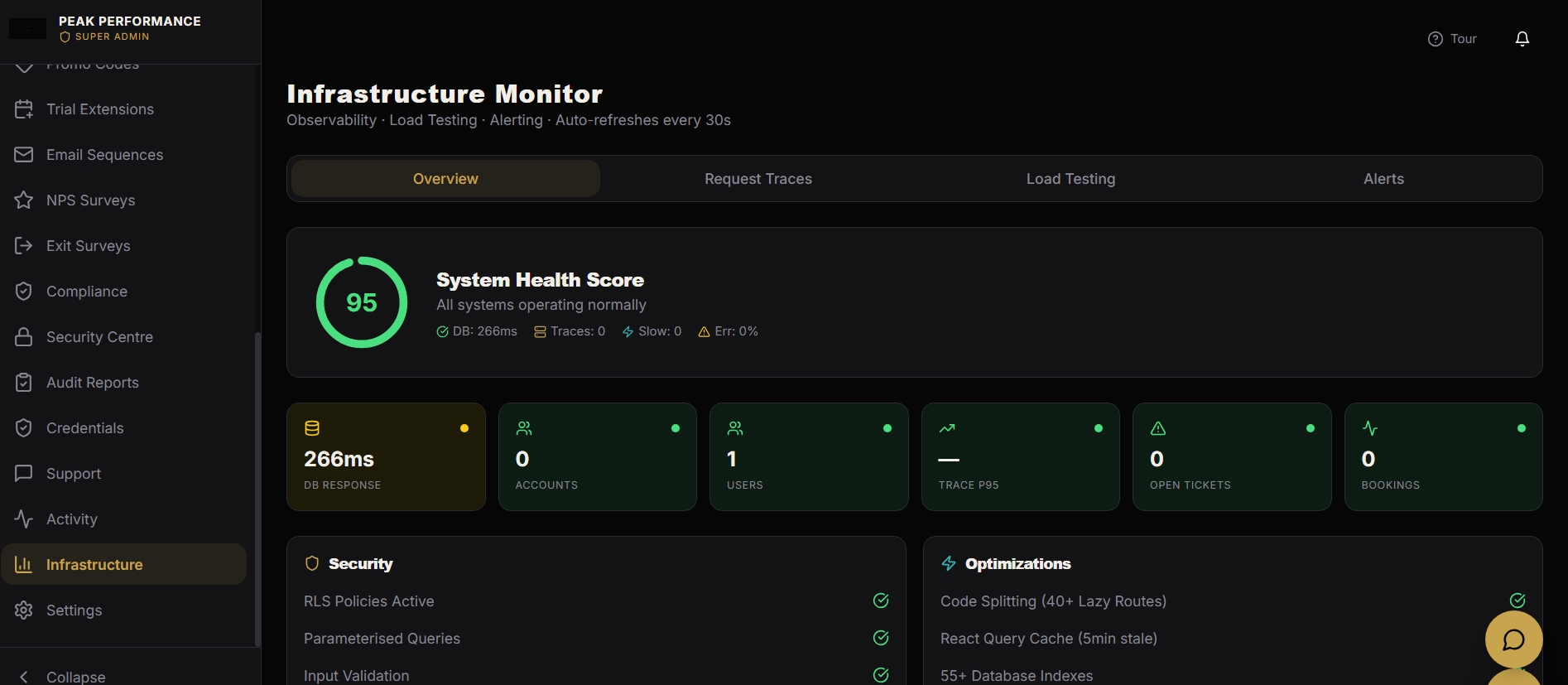
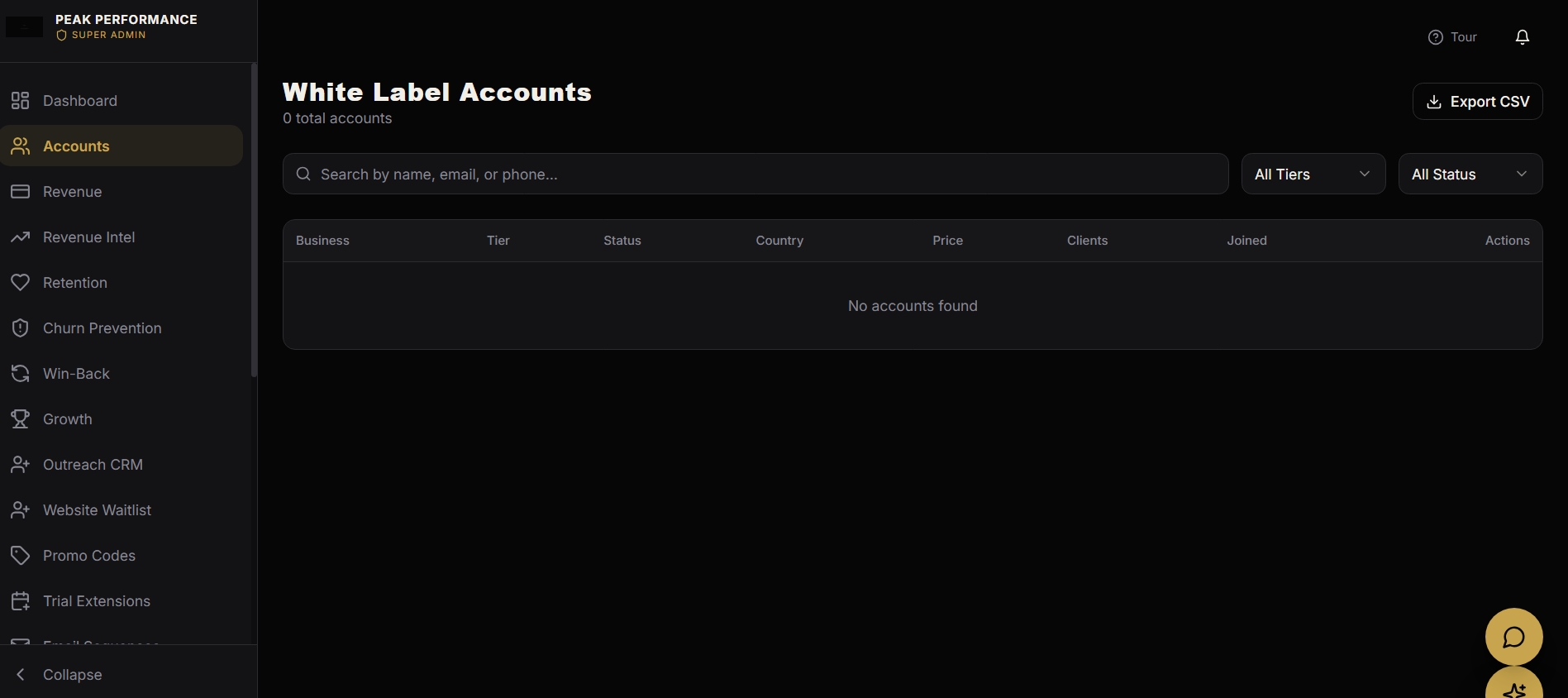
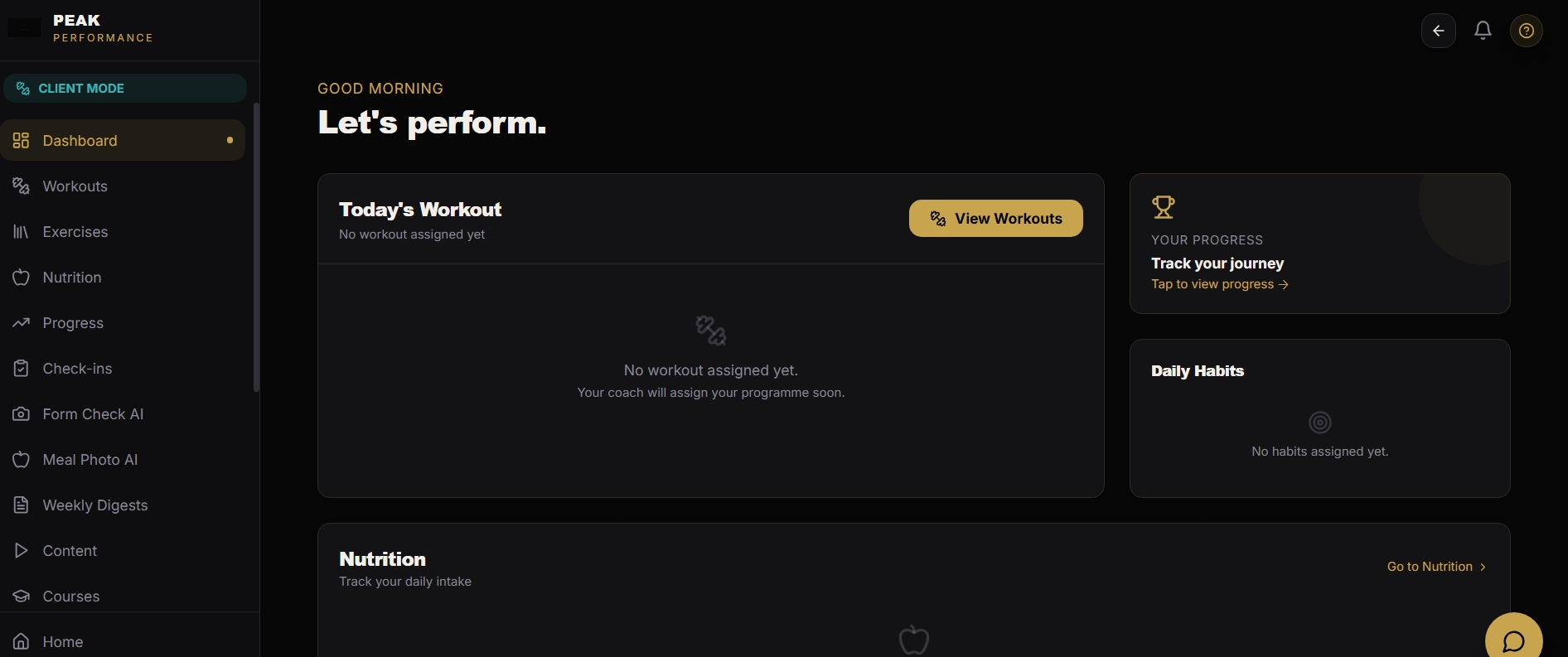
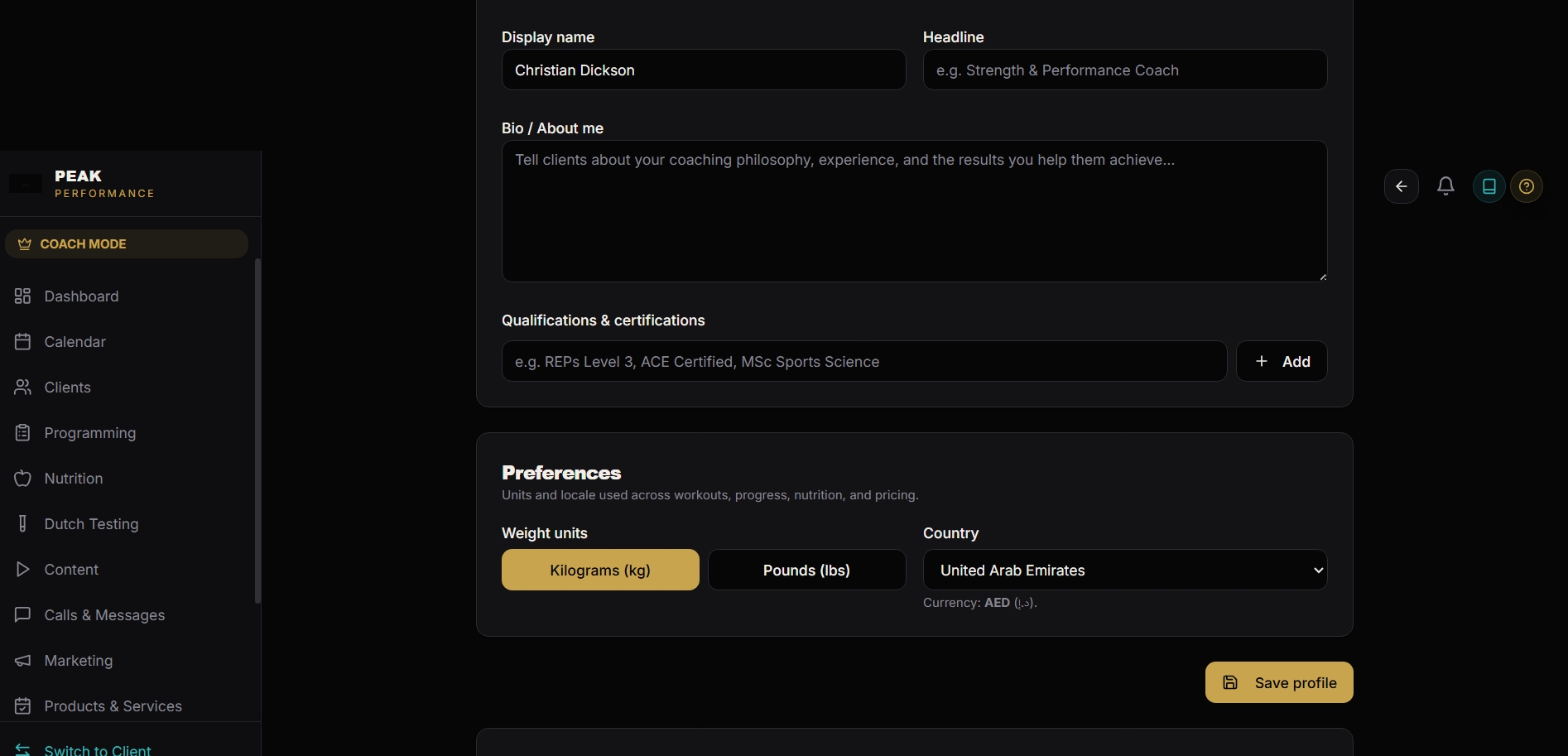
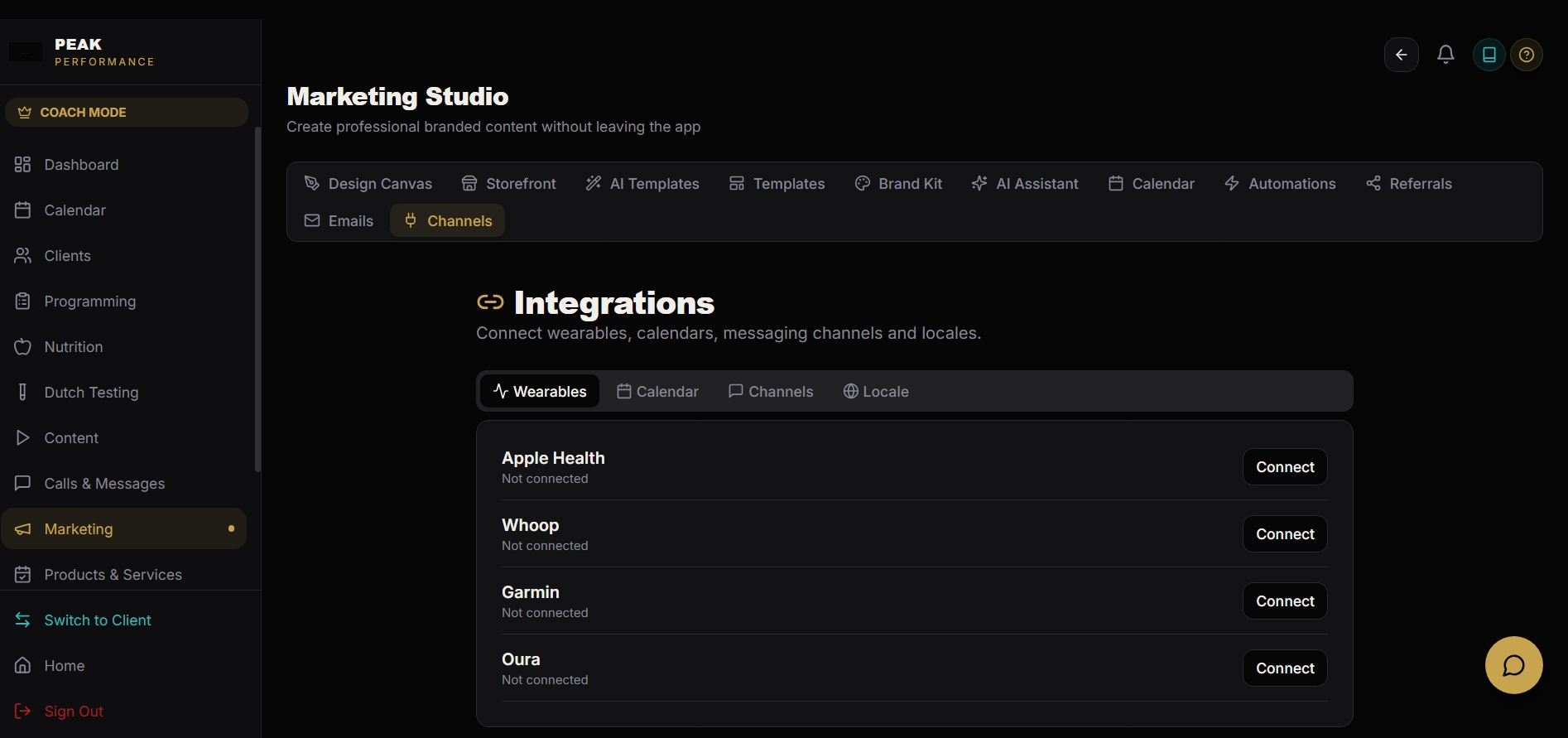
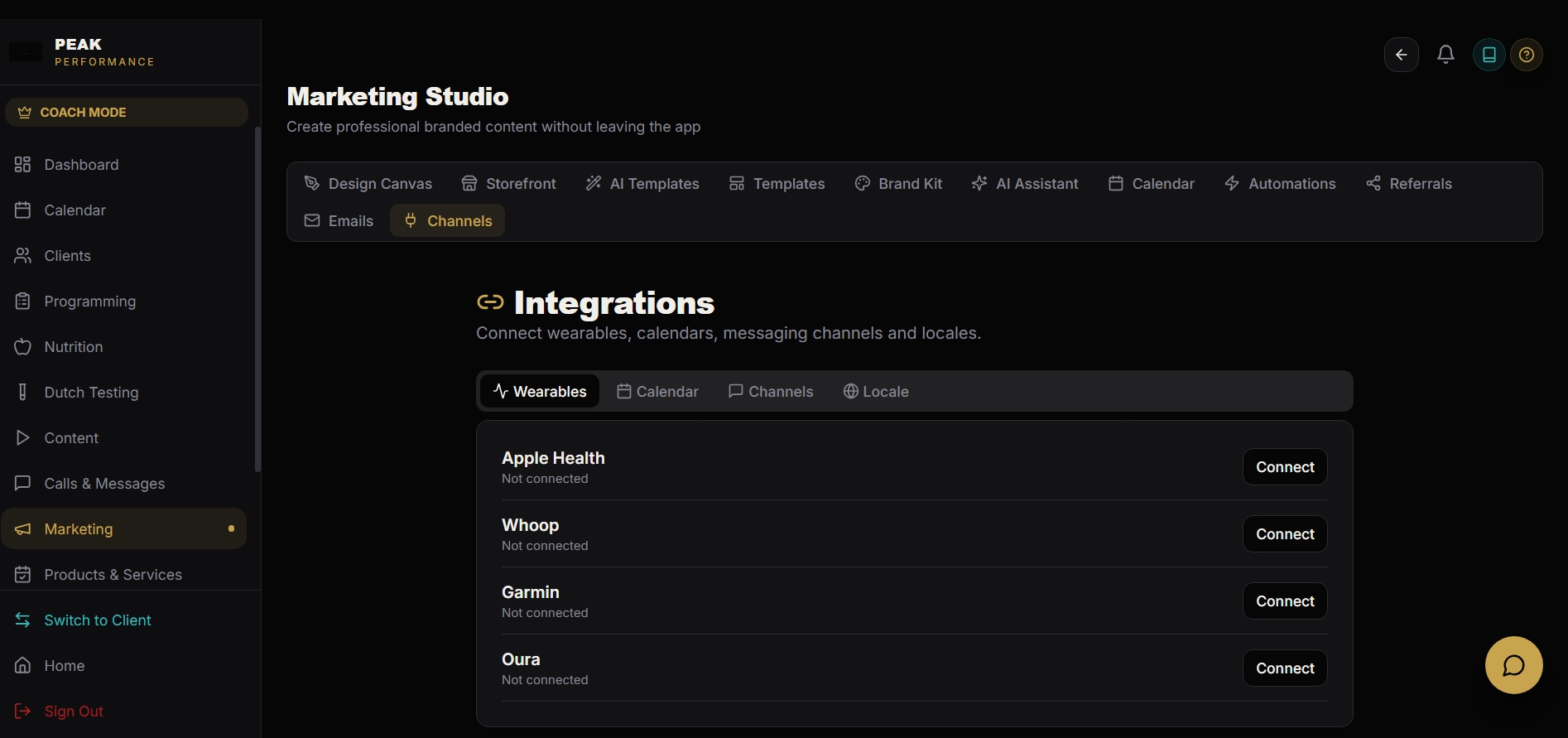
React and Capacitor give web and mobile from one codebase. Supabase and Postgres hold the data, with row-level security enforcing isolation per tenant. Stripe Connect moves the money, the Claude API drives the AI features, and Samsung Health Connect supplies health data under scoped permissions. All of it was designed, built, shipped and is maintained by one person.
App builds start at R40,000 and the scoping call is free.